The Campus Zoo: An Alumna’s Camera, Fifty Species and Sixty Thousand Views

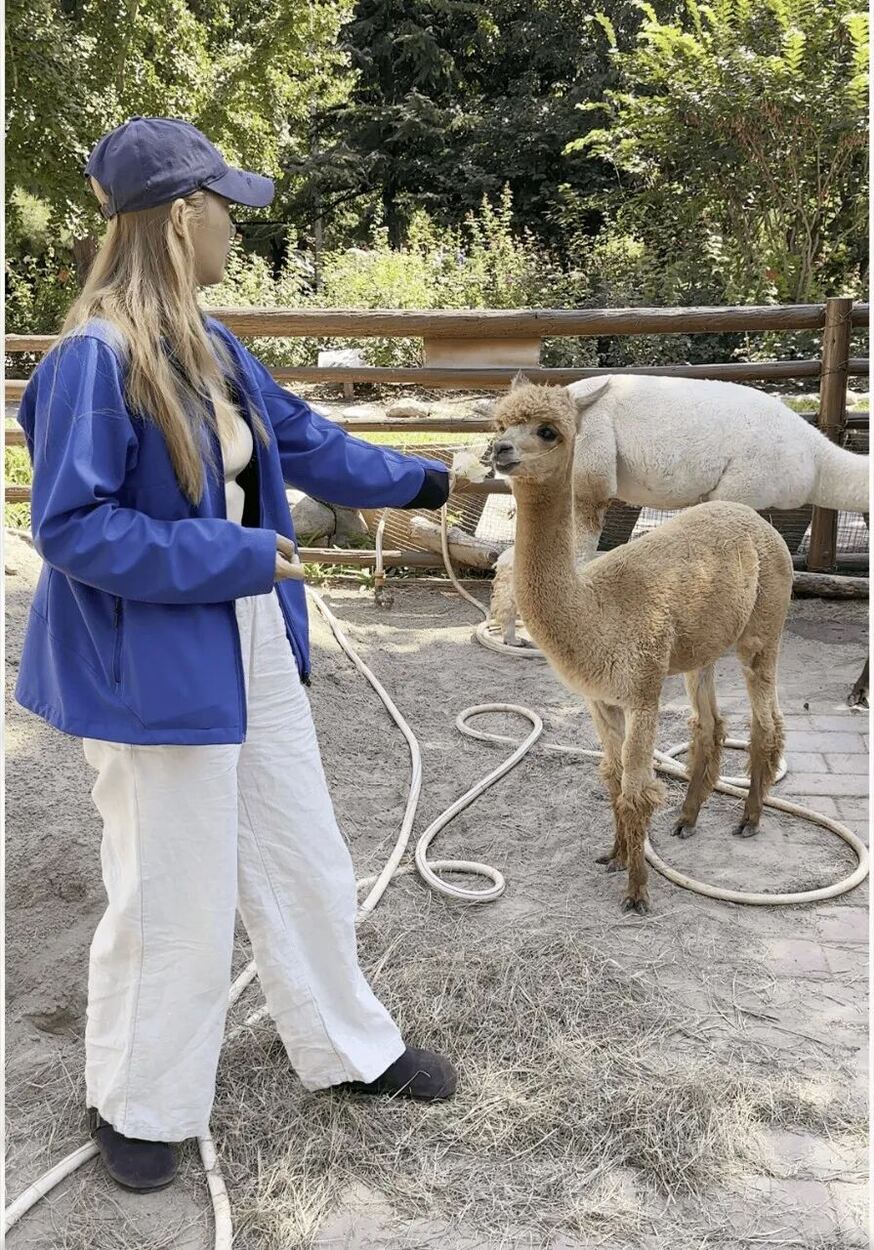
The video opens on an alpaca with an opinion, and by the end of the week sixty thousand people had watched it. Shot at the school’s own zoo and posted to a campus video account, it was passed around parents’ groups, alumni chats and several strangers’ timelines — a small, quiet film that behaved like a hit.
The reason it travelled has less to do with the animals than with the person holding the camera. She spent twelve years at the school, from primary through senior high, then went abroad to study. She came back to work here, in the communications office, and the zoo was the thing she kept returning to.
Sixty thousand views, and a zoo that has been here all along
What surprised new viewers was not the film-making but the fact of the place. A school with fifty-odd species and close to three hundred animals on campus is unusual even in a country that takes its school grounds seriously. The zoo opened in 2015, holds a wildlife breeding licence issued by the Beijing forestry authority, and has been expanded and restocked more or less continuously since.
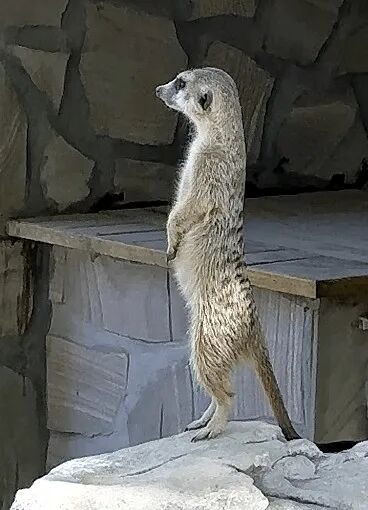
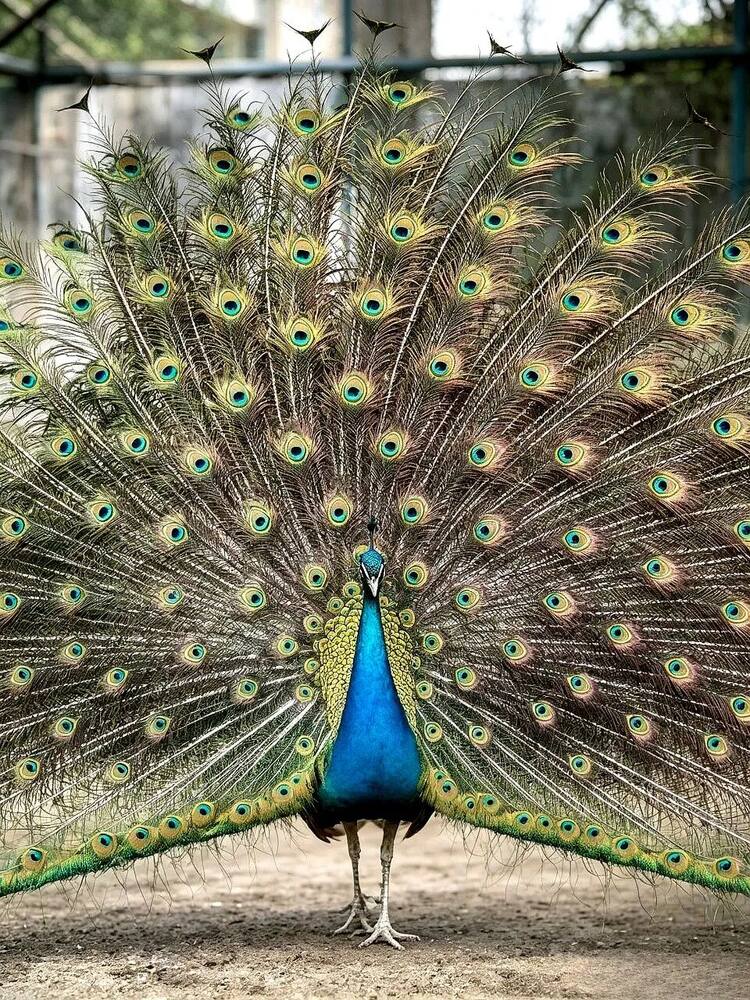
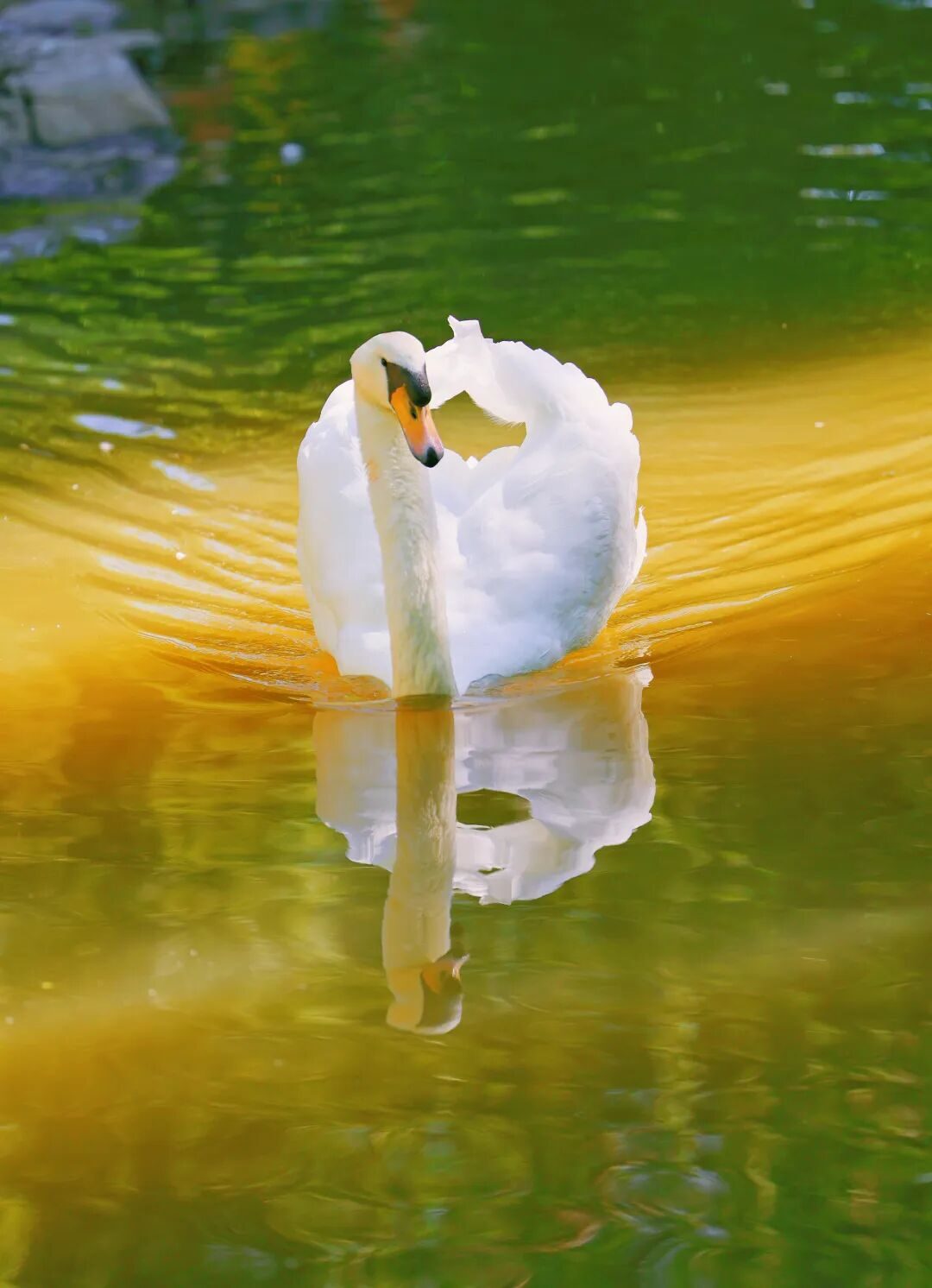
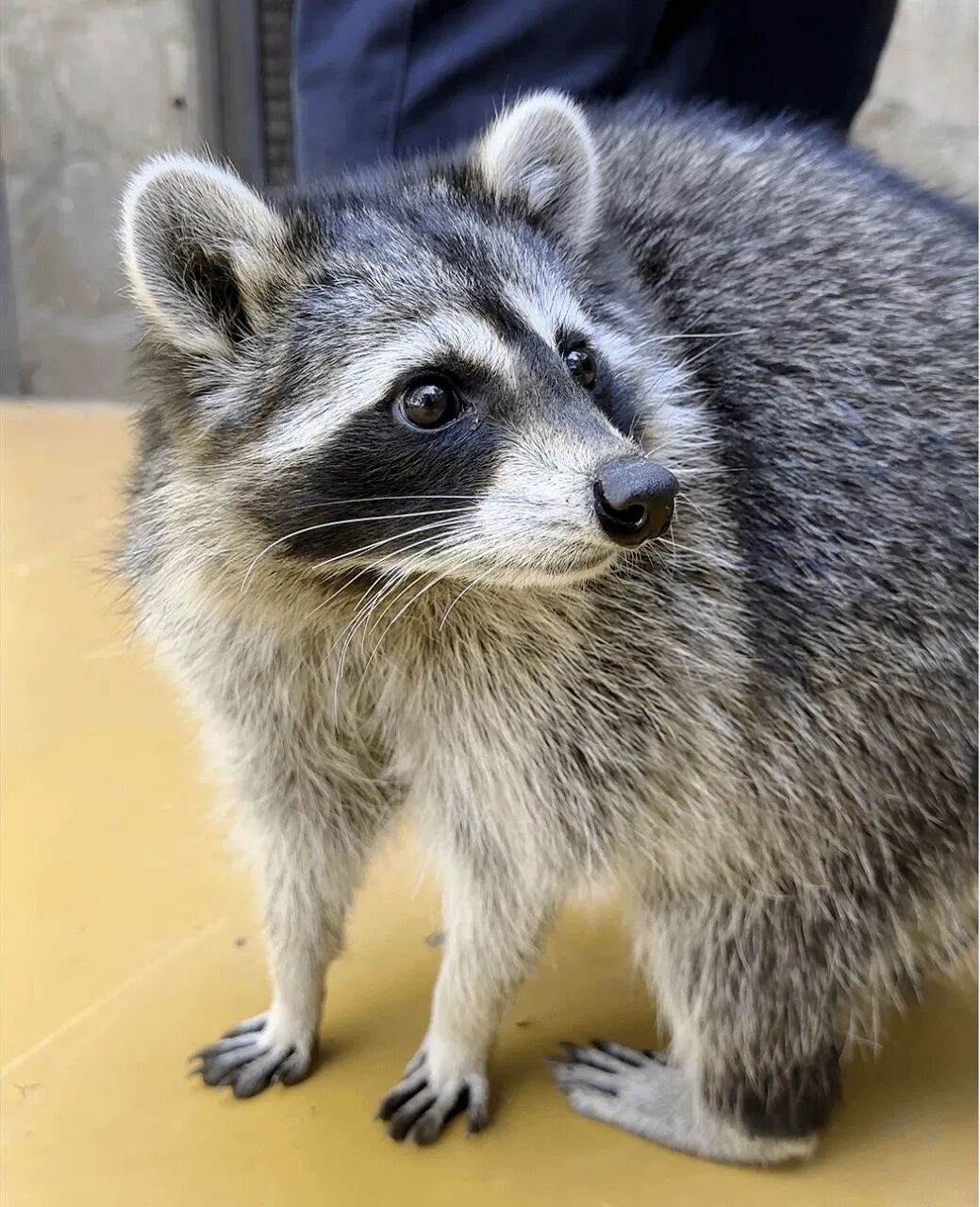
Swan Lake carries black swans and white ones. Red-crowned cranes and demoiselle cranes stand in the shallows; macaques work the climbing frames; alpacas, miniature horses and small pigs share the paddocks with animals that are harder to photograph and easier to love — raccoons, meerkats, rabbits. Golden pheasants and peacocks handle the colour. Children who have grown up on this campus treat the whole thing as ordinary, which is exactly the point.
Nature as the classroom
The animals are not decoration. Classes come out to observe behaviour and keep records; students feed, clean and learn to move slowly around creatures that do not care about their timetable. Biology arrives as a living thing rather than a diagram, and the lesson that sticks is usually the least academic one: a life depends on you showing up.
That is the argument for keeping a zoo on a school campus at all. Respect for living things is difficult to teach from a slide. It is easy to teach from a rabbit that has to be held properly, or a paddock that has to be mucked out before the bell.
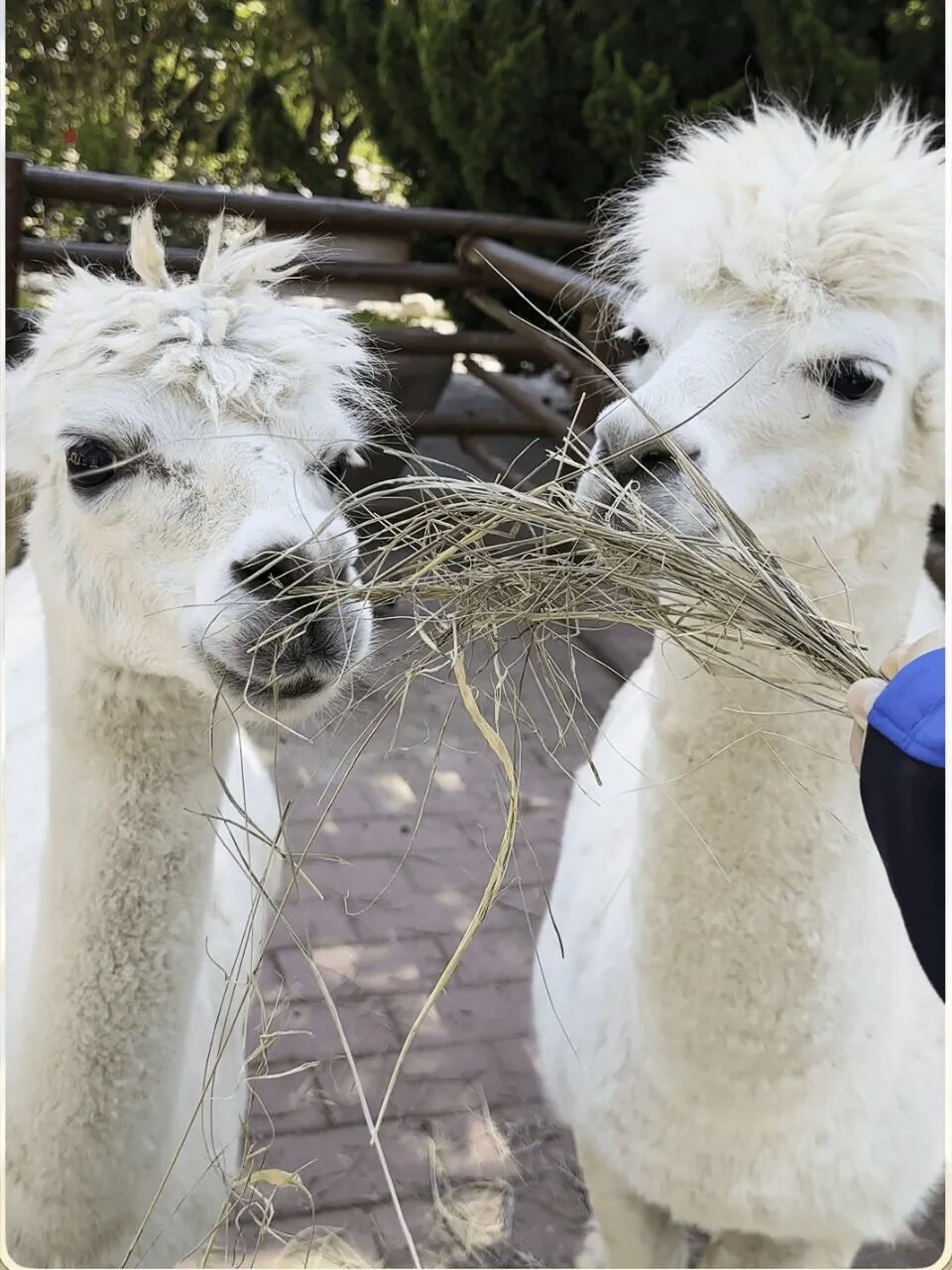
Filming it like an alumna, not a visitor
Her approach was deliberate. No stock music cues, no jump-cut montage; long takes, natural sound, and a camera placed at the height of someone who has walked these paths for a decade. The animals were filmed where they actually spend their days rather than where the light is best. What comes through is affection with knowledge behind it — the specific kind of love that knows which enclosure floods and which peacock is a menace.
The comments filled up with the same sentiment in different words: I went here, I had forgotten this, I want to go back. Alumni rarely get a reason to feel that about a school building. They will do it for an animal.
What a zoo asks of a school
Keeping animals is a promise with a maintenance bill. It needs staff who know what they are doing, veterinary cover, records, and a budget that survives the years when nobody is filming. The school’s answer has been to keep widening the programme: more species, a more structured natural-science curriculum built around the collection, and student responsibilities that run through the year rather than through a single open day.
The video will be forgotten by most people who watched it. The zoo will not, because it is not a story — it is a place where a few hundred animals and a few thousand students keep meeting each other, most mornings, without an audience.